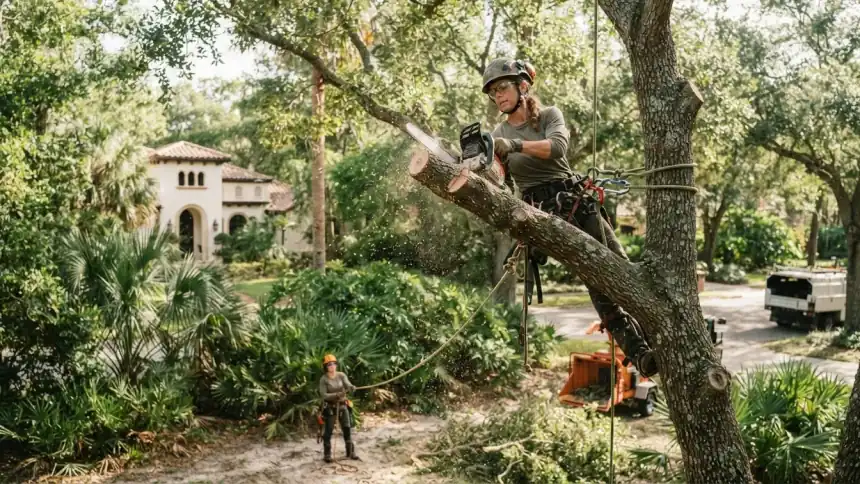
Top 5 Tree Removal Regulations Every Homeowner in Florida Should Know is a set of legal requirements that govern when and how homeowners can remove trees on their property in Florida. Homeowners must understand these regulations to avoid fines, protect native species, and ensure proper permits are obtained.
This post outlines the five most critical Florida tree removal laws homeowners need to know, including permit requirements, protected species, penalties for violations, and how to comply. ClearCut Co. provides expert guidance to help you navigate these rules safely and legally.
Tree removal in Florida is regulated by a combination of state laws, county ordinances, and municipal codes designed to protect the environment and community safety. Understanding these regulations helps you avoid costly mistakes and ensures your property remains compliant.
What are the top tree removal regulations in Florida?
The top tree removal regulations every homeowner in Florida should know include permit requirements, protected species rules, compliance with local ordinances, licensed contractor mandates, and penalties for illegal removal. These five areas form the framework of Florida tree removal laws homeowners must follow.
1. Permit requirements: Most Florida counties require a permit before removing certain trees, especially those above 6 inches in diameter measured 4.5 feet from the ground. Permit fees typically range from $50 to $150 depending on the jurisdiction and tree size.
2. Protected species: Florida law protects native and endangered tree species, such as Sabal palm and certain oaks. Removing these without explicit permission can lead to significant fines.
3. Local ordinances: Municipalities like Tree Removal in Fort Lauderdale, Florida may have additional restrictions, such as tree replacement requirements or limits on removal during nesting season (March to August).
4. Licensed contractor requirements: Florida mandates that tree removal work, especially for hazardous or large trees, be performed by licensed professionals to ensure safety and compliance with Florida tree removal standards.
5. Penalties and enforcement: Violating tree removal regulations can result in fines ranging from $500 to $5,000 per tree, plus mandatory restoration or replacement, depending on the severity and local laws.
Do I need a permit to remove a tree in Florida?
Yes, most Florida counties require homeowners to obtain a permit before removing trees that exceed 6 inches in diameter at breast height (DBH), typically measured 4.5 feet above ground. This includes many common species found in residential areas.
Permit requirements vary by county and city. For example, in Broward County, a permit is mandatory for removing any tree larger than 6 inches DBH, and the process can take 7 to 14 business days. Fees usually range between $75 and $125.
Some municipalities, like Tree Removal in Pembroke Pines, Florida, also require proof of a licensed contractor for the removal. Permits often include conditions for tree replacement or mitigation to maintain the local canopy.
Homeowners should check with their local county extension office or municipal government to confirm specific permit rules before scheduling removal.
Are there protected tree species in Florida?
Yes, Florida has several protected tree species under state and local laws. These include native palms like the Sabal palm, endangered species such as the Florida torreya, and certain oaks and pines that contribute to ecosystem health.
Removing protected species without a permit or proper authorization can lead to fines of $1,000 or more per tree. Some counties require an arborist's report or environmental assessment before removal is approved.
For example, Florida tree removal in Coral Springs enforces strict protection for native trees, often requiring homeowners to replace removed protected trees at a 2:1 ratio.
Understanding which trees are protected on your property is essential. Consulting with a licensed tree removal professional can help identify protected species and navigate the Florida tree pruning and trimming services that comply with protection rules.
Penalties for illegal tree removal in Florida
Penalties for illegal tree removal in Florida can be severe, including fines from $500 up to $5,000 per tree, depending on the species and local jurisdiction. Repeat offenses may result in higher fines and legal action.
In addition to fines, homeowners may be required to replace removed trees, sometimes at a ratio of 2 or 3 replacement trees for each illegal removal. Failure to comply with restoration orders can lead to liens on the property.
For example, Broward County enforces strict penalties and has successfully prosecuted homeowners who removed protected trees without permits. These rules aim to preserve Florida's tree canopy and natural habitats.
Illegal removal also risks damage to neighboring properties and can void insurance claims if the removal causes harm during storms or other events.
How to comply with tree removal laws in Florida
Complying with tree removal regulations Florida homeowners face requires following a clear process: identify the tree species and size, check local permit requirements, hire licensed professionals, and submit applications when needed.
Start by contacting your county or city's environmental or planning department to verify permit requirements. Many counties provide online applications and detailed guides for homeowners.
Hiring licensed tree removal companies ensures adherence to licensed tree removal compliance Florida standards, including safety protocols and environmental protections. Professionals also handle debris disposal and stump removal properly.
Maintaining documentation of permits and contractor licenses is crucial in case of inspections or disputes. Regularly reviewing Florida storm damage tree removal services guidelines is also important as regulations can update following major weather events.
Common mistakes Florida homeowners make with tree removal
Homeowners often underestimate the importance of permits and assume all tree removal is unregulated. This leads to costly fines and forced restoration.
Another mistake is hiring unlicensed contractors who lack proper insurance and fail to follow safety standards, increasing liability risks and potential property damage.
Failing to identify protected species before removal is common. Removing a protected tree without authorization can trigger penalties and delay future landscaping plans.
Finally, ignoring local ordinances about tree replacement or seasonal restrictions can result in permit denial or additional fees.
ClearCut Co. advises verifying all legal requirements before starting any tree removal project to avoid these pitfalls.
When to call a professional for tree removal in Florida
Calling a professional for tree removal in Florida is essential when dealing with large trees, hazardous conditions, or protected species. Licensed experts ensure compliance with all Florida emergency tree removal service regulations and safety protocols.
Professionals assess tree health, obtain necessary permits, and execute removal with specialized equipment, minimizing risk to your property and neighbors.
For urgent situations like storm damage or trees threatening structures, immediate professional intervention is critical to prevent injury and further damage.
Frequently Asked Questions
What tree removal regulations do Florida homeowners need to know?
Homeowners must know about permit requirements for trees over 6 inches in diameter, protection of native species, local ordinances, licensed contractor mandates, and penalties for illegal removal.
Do I need a permit to remove a tree in Florida?
Yes, most Florida counties require a permit for removing trees larger than 6 inches DBH. Permit fees range from $50 to $150, with processing times of 1-2 weeks depending on location.
What are the penalties for illegal tree removal in Florida?
Penalties include fines from $500 to $5,000 per tree, mandatory replacement of removed trees, and possible legal action. Repeat violations increase these consequences.
How to follow tree removal laws in Florida?
Identify tree species and size, check local permit rules, hire licensed professionals, apply for permits as required, and retain documentation of compliance.
Are there protected tree species in Florida?
Yes, species like Sabal palm, certain oaks, and endangered trees are protected. Removing these without permits can lead to heavy fines and restoration requirements.
Get help with Tree Removal in Florida
For safe, legal, and efficient tree removal, contact ClearCut Co. Our licensed team handles all aspects of Land Clearing and Brush Removal in Florida and ensures compliance with Florida tree removal regulations.
Call us today at 305 305 305 for expert assistance with your tree removal needs.